
My last decathlon was 1,064 days ago.
I moved to the US and Duke University in 2024 with a clear plan. Train on the Duke Track and Field team, shoot for nationals and create a real path to being selected for the 2026 Commonwealth Games. That was the trajectory and the version of my life I had been building toward since I was a kid.
It didn’t unfold that way.
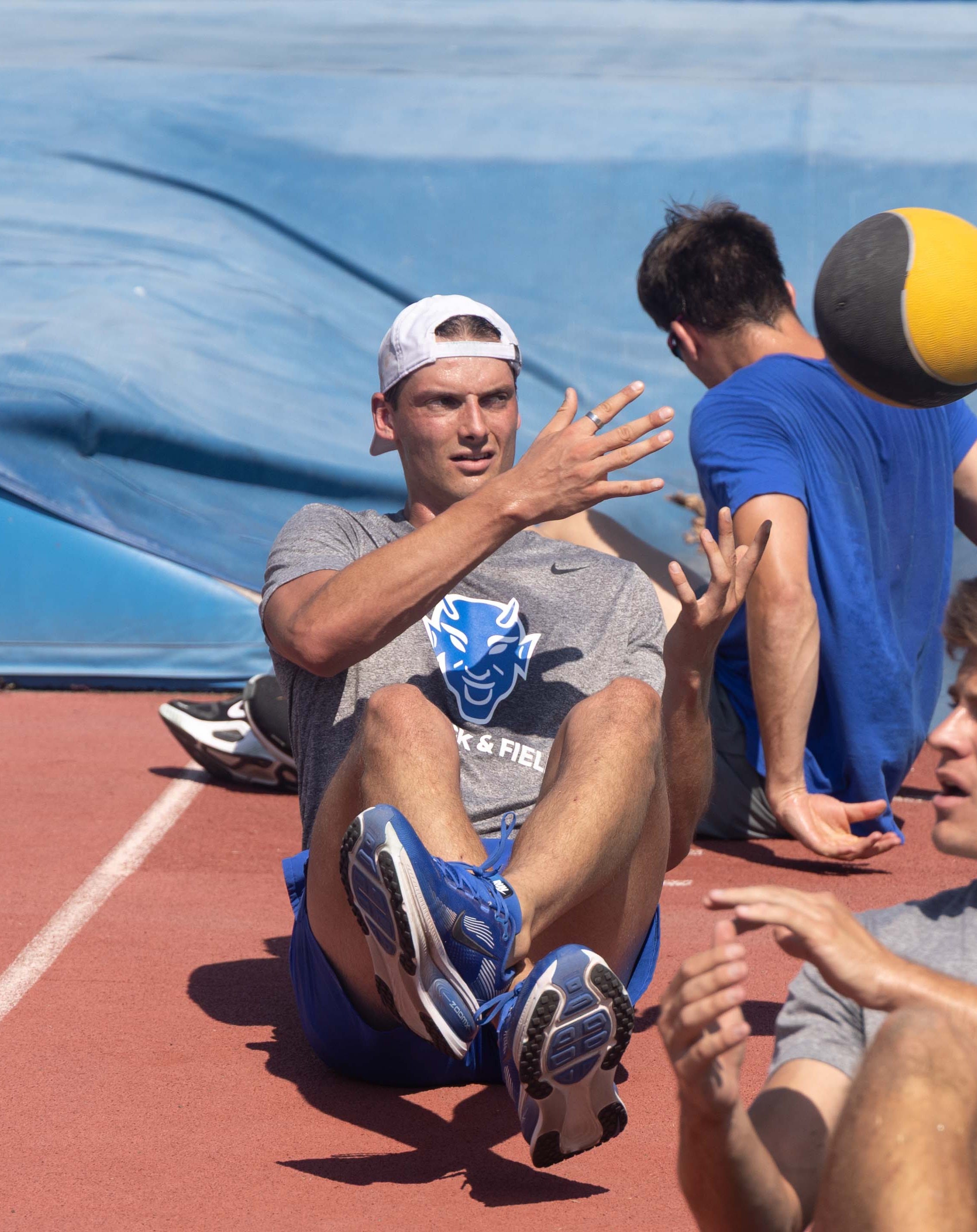
Not in a single moment. There was no obvious break. Just a gradual erosion. A hernia operation, a stress response in my foot, an achilles tear, four hamstring strains. Nothing that ended it outright. Just enough, over time, to shift the path without me fully noticing when it was gone.
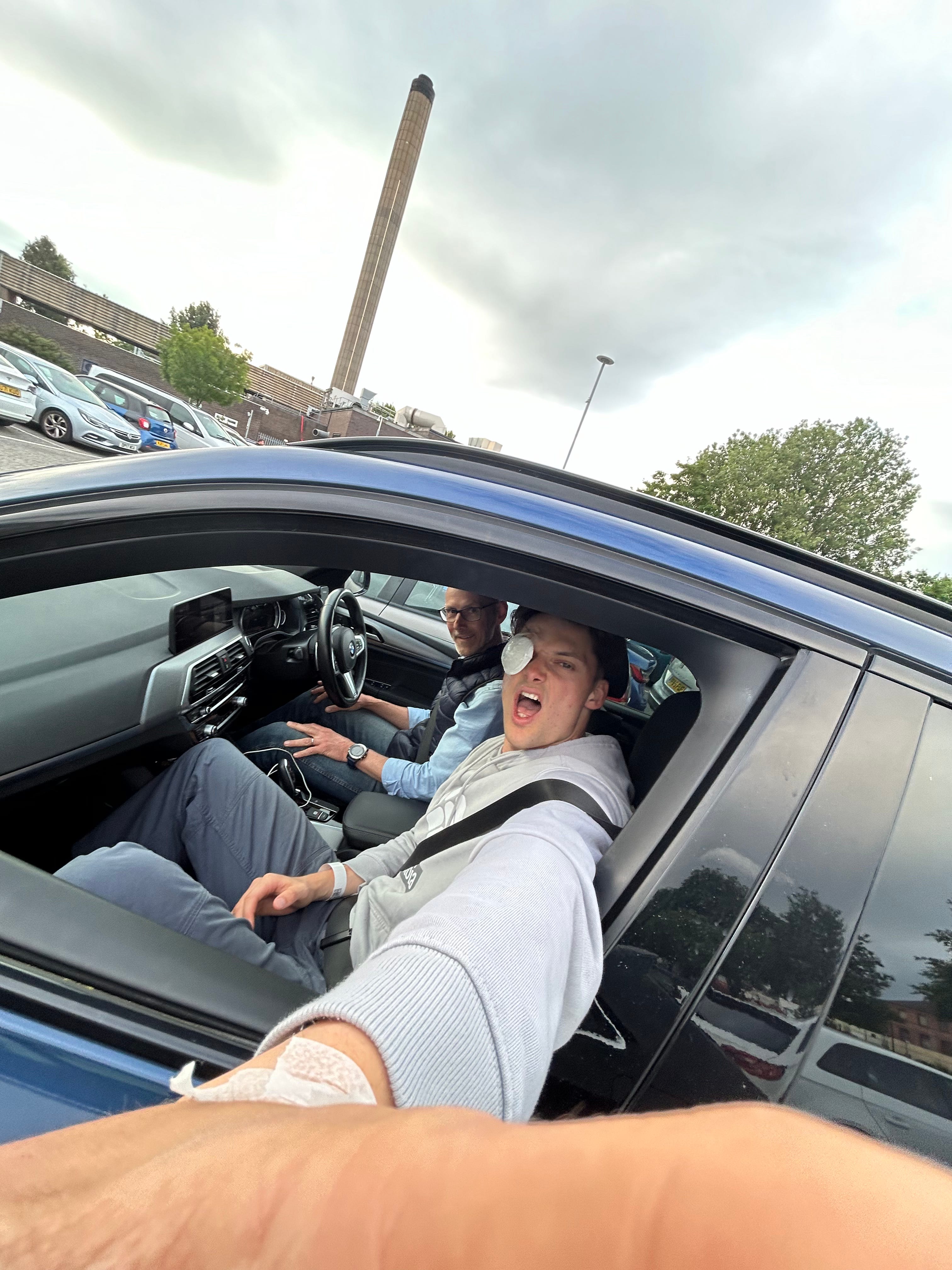
In the summer of 2024, my retina detached. A freak accident. Not from overtraining, not from a collision, not from anything I could have anticipated. It just happened. Three surgeries followed. When it was over, I was partially blind in one eye.
I had to learn how to move again. Depth perception, spatial awareness, reading the approach on a jump, the things I had done on instinct for years now required conscious recalibration. There was real fear in that process. Not just of losing sport, but of whether I could trust my own body in space again.
What made it hard was how invisible it was. From the outside, I looked the same. On the inside, there was a fear of not being able to see and the quiet work of rebuilding confidence in basic movements. I got very good at looking “fine” and making the quiet decision to stop explaining how I really feel to the people around me because after 3 years of challenges it starts to costs more to explain yourself than it gives. What you don’t get to say is how much you still believe in yourself, while everything around you suggests it might not come together.
Sport is beautifully simple in many ways. Times, rankings, selections. From the inside, it’s everything in between. The physio appointments that blur together (I saw my physio 101 times in the 2026 season alone). The sessions that feel like maintenance on something that keeps breaking. Watching teammates hit the marks I had been chasing, feeling two things at once: genuinely happy for them, and quietly sitting with what that meant for me. Not jealousy. Something closer to grief. And then getting up the next day and doing it again.
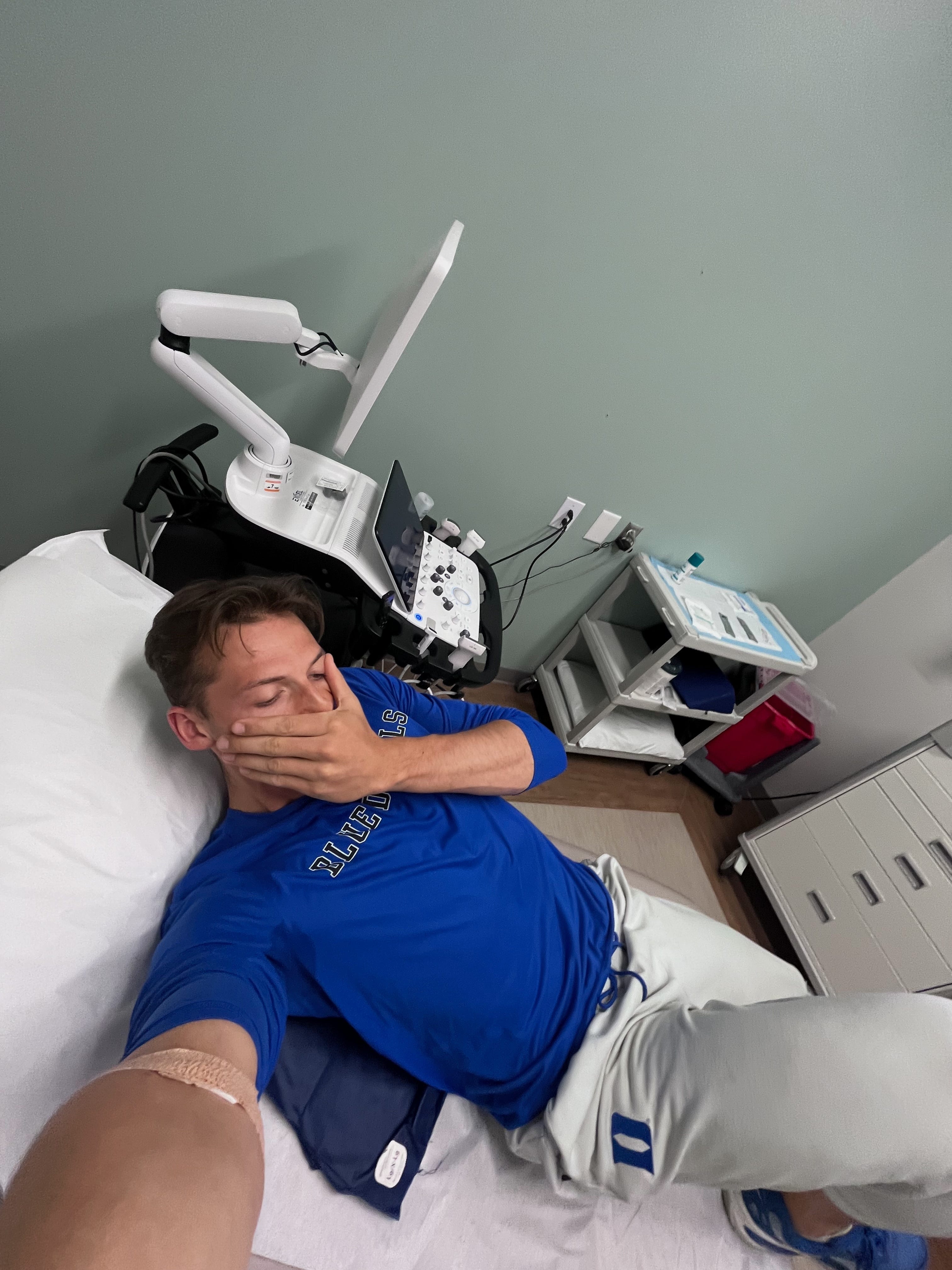
Many of my setbacks were flukes. Things that arrived without warning and left without explanation. No pattern to unpick, no behaviour to correct. That is the part nobody really prepares you for and sometimes the hardest thing isn’t learning from adversity. It’s sitting with adversity that has nothing obvious to teach you. Something that just happened, that you now have to carry forward.
There’s a specific kind of tired that comes from holding belief when the evidence keeps pushing against it. I felt that more times than I can count. And I still showed up. Not because I had something to prove, but because it felt like the only way to honour who I was. Training. Rehab. Belief. Those were my choices, and my identity, regardless of outcome.
For a long time, I thought those years were lost because they didn’t produce results. I don’t see them that way anymore. When outcomes disappear, what remains becomes clearer. Discipline doesn’t come from competition results. Neither does resilience. They were there before, and they stayed when everything else became uncertain. The version of me that came out of this is not the one who ran his last decathlon in 2023. He’s more patient. More honest about what he can and can’t control. Less dependent on outcomes to understand his own worth.
The most frustrating part of these years wasn’t the injuries. It was the invisibility of what was happening underneath them. No way to see what was building. No way to understand the patterns until they had already broken me. I was making decisions about my body, my training, my future, in the dark, and calling it informed.
That taught me something I couldn’t have learned any other way: clarity is not a given. You have to build it. About your body, yes, but also about what you actually value, what you can control, and what you have been holding onto that was never really yours to hold.
I came in chasing outcomes. Rankings. Selection. Validation through results. What I leave with is something quieter and harder to articulate, a relationship with the process itself. The work has worth independent of what it produces. That took three years of evidence to believe.
The other thing I learnt: identity is fragile when it’s load-bearing. When who you are depends on what you can do, every setback becomes an existential one. Detaching those two things was the most important work I did. Harder than any session. More useful than any result.
I don’t know how my career ends. There’s a version where I compete again. There’s a version where I don’t. I’ve stopped needing to know. What I do know is this: the person I became over the last 1,064 days is someone I respect. Not because of what he achieved, but because of what he kept doing when achievement wasn’t available.
The victories nobody sees are still victories. They just build something different.
Thomas Merton - do not depend on results
Do not depend on the hope of results. You may have to face the fact that your work will be apparently worthless and even achieve no result at all, if not perhaps results opposite to what you expect.
As you get used to this idea, you start more and more to concentrate not on the results, but on the value, the rightness, the truth of the work itself. You gradually struggle less and less for an idea and more and more for specific people.
In the end, it is the reality of personal relationship that saves everything.
"..Clarity is not a given. You have to build it. About your body, yes, but also about what you actually value, what you can control, and what you have been holding onto that was never really yours to hold." I love this.